PET Heat Transfer Film for Product Decoration: Applications, Benefits and Selection Guide
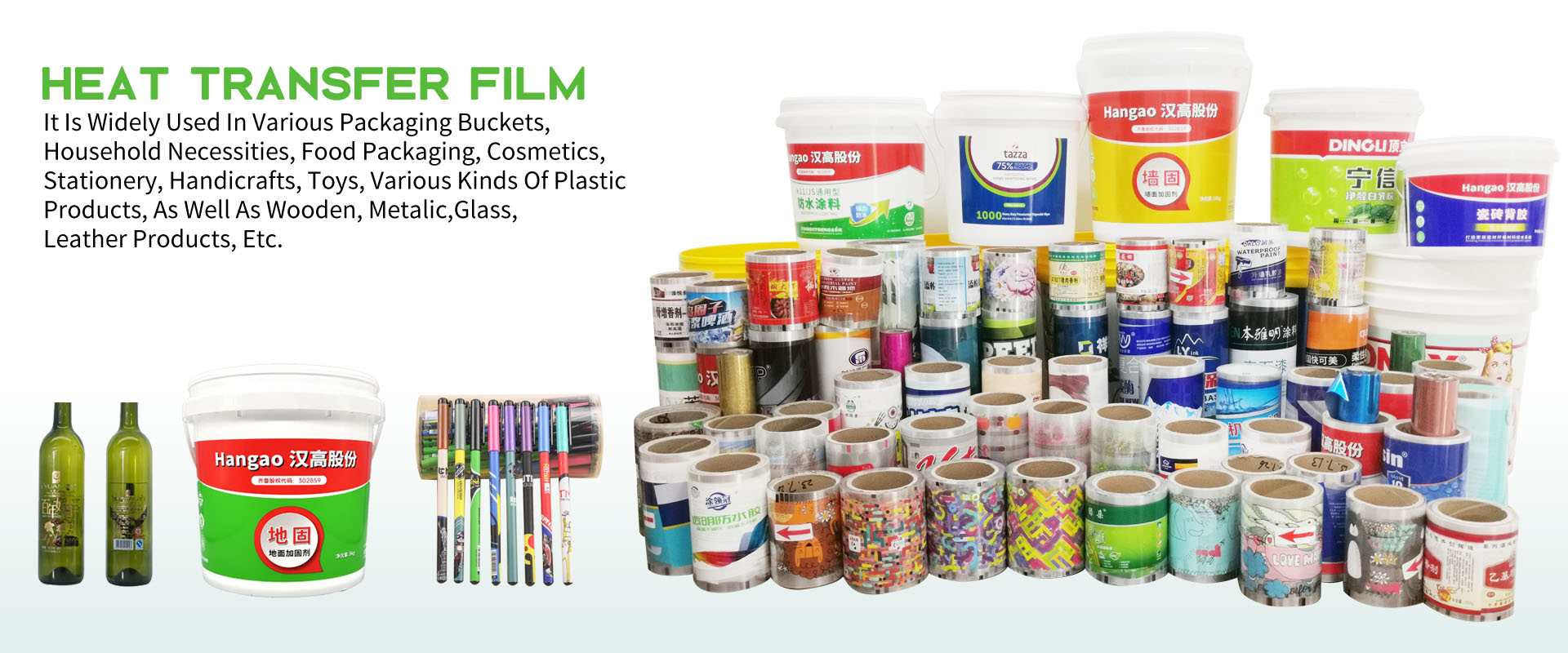
PET heat transfer film gives manufacturers a practical way to add vivid graphics, branding and decorative effects to everyday products. From paint buckets and engine oil containers to AB tubes, stationery, thermos bottles and cosmetic packaging, the right film can help a product look more distinctive while supporting an efficient decoration workflow.
For buyers comparing heat transfer film suppliers, the key question is not simply whether a film looks attractive. It is whether the film, artwork, substrate and production process work together consistently. This guide explains where PET heat transfer film is used, what to review before ordering and how ULIKE can support a product-specific inquiry through its heat transfer film range.
What Is PET Heat Transfer Film?
PET heat transfer film uses a PET carrier as part of a printed decoration system. During production, the selected artwork is transferred from the film to a prepared product surface under controlled process conditions. The result is a graphic finish that can be designed for logos, product information, patterns, promotional artwork or a stronger shelf presence.
Because packaging products vary in material, shape, curvature and use environment, film selection should be matched to the actual application. A paint bucket, a narrow AB tube and a cosmetic container may require different artwork layouts, coverage expectations and trial parameters. ULIKE presents product-specific examples rather than treating every application as identical.
Where Can PET Heat Transfer Film Be Used?

Paint Buckets
Use bold brand graphics, color blocks and product information to give paint buckets a clear and professional appearance.

Engine Oil Buckets
Decorative film can support strong visual identification for engine oil packaging and other industrial container formats.

Water Buckets
For household and utility products, consistent graphics can help improve recognition across a product family.

AB Tubes
Narrow or curved containers benefit from artwork prepared specifically for the product geometry and transfer process.

Stationery
Pens, pencil cases, rulers and erasers can use decorative graphics to create attractive, coordinated stationery collections.

Cosmetic Packaging
Detailed artwork and premium-looking effects can help cosmetic packaging communicate a more distinctive brand identity.
Why Manufacturers Consider PET Heat Transfer Film
The main value of PET heat transfer film is its ability to connect product decoration with brand communication. Instead of relying on a plain container, manufacturers can plan artwork around a product’s shape, audience and use case. This can be especially useful when several SKUs need a consistent visual system with different colors, names or product messages.
| Buyer priority | How to evaluate a PET heat transfer film solution |
|---|---|
| Visual quality | Review color reproduction, fine details, logo clarity and the intended finish on the actual substrate. |
| Product fit | Check whether the film and artwork suit the container shape, curved areas, edges and coverage requirements. |
| Production fit | Confirm the decoration equipment, process window, handling method and trial procedure before mass production. |
| Brand consistency | Align film artwork with the complete product family, including packaging color, labels and marketing assets. |
| Quality control | Define sample approval, appearance checks and application testing with the supplier in advance. |
How to Select the Right PET Heat Transfer Film
1. Start with the substrate and product geometry
Tell the supplier what the product is made of, whether the surface is flat or curved and which areas must be decorated. Product dimensions, surface texture and shape can influence artwork preparation and trial planning.
2. Define the visual effect
Prepare the logo, colors, text, images and desired finish before requesting a quotation. If the project needs a particular decorative effect, include reference samples or visual examples so the supplier can assess the request accurately.
3. Confirm the production workflow
A successful result depends on more than the film itself. Discuss equipment compatibility, process conditions, product handling and inspection standards. It is good practice to approve a physical sample before committing to a larger production run.
4. Request a product-specific quotation
Provide the product name, substrate, dimensions, artwork status, estimated quantity and destination market. ULIKE’s product pages include application-specific options such as paint bucket film, AB tube film and cosmetic package film, which can help buyers start a more focused conversation.
ULIKE PET Heat Transfer Film Solutions
Qingdao Ulike New Material Co., Ltd. reports that it has specialized in the printing industry since 1995 and operates gravure printing, composite and film-cutting capabilities. The company’s website lists PET heat transfer film alongside in-mold labels, PET hot stamping foil, PVC film, PP decorative film and related equipment. This product breadth can be useful for buyers comparing decoration routes for different packaging projects.
Rather than sending a generic inquiry, describe the exact product you want to decorate. The more complete the brief, the easier it is to discuss artwork, application, sample approval and delivery requirements.
Need PET Heat Transfer Film for Your Product?
Send your product type, substrate, artwork requirements and estimated quantity to ULIKE for a product-specific quotation.
Inquire NowChat on WhatsAppFrequently Asked Questions
What is PET heat transfer film?
PET heat transfer film is a carrier-based decorative film used to transfer printed graphics onto suitable product surfaces with controlled heat and pressure.
What products can use PET heat transfer film?
Common applications include paint buckets, engine oil buckets, water buckets, AB tubes, stationery items, trash cans, thermos bottles, bathroom products and cosmetic packaging. The final recommendation should be confirmed against the actual substrate and production process.
How can I choose the right heat transfer film?
Begin with the substrate, product geometry, artwork, desired visual effect, production equipment and testing requirements. Then ask the supplier for a product-specific sample and quotation.